Scalp Micropigmentation Scars FAQ (Scar Camouflage)
Scalp Micropigmentation Scars FAQ (Scar Camouflage)
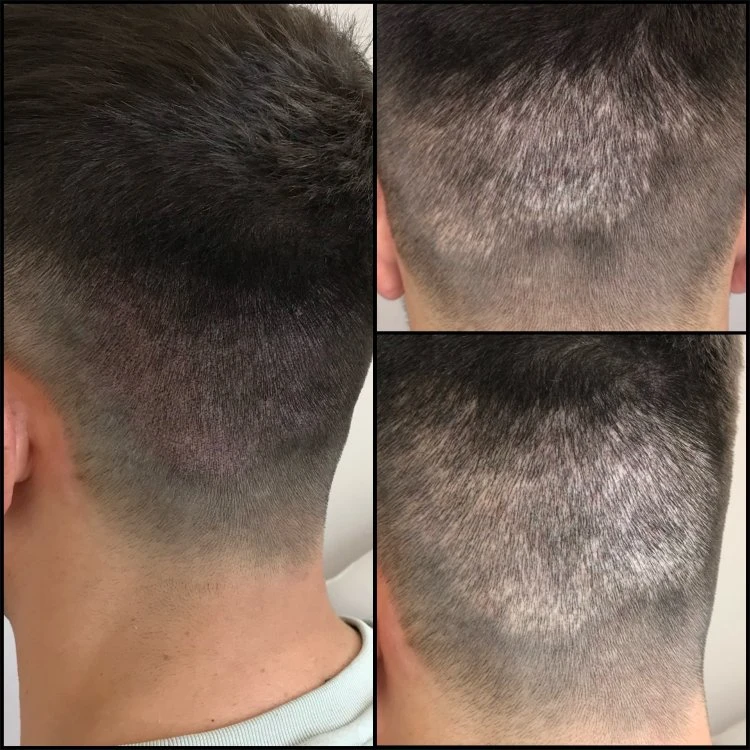
Scalp Micropigmentation Scars – SMP scar camouflage is designed to make a scar blend more naturally with the surrounding scalp — so your eye doesn’t go straight to it in bright light, with short hair, or where thinning makes contrast more noticeable.
Carried out by Rebecca Brown (15+ years), multi-award-winning micropigmentation artist.
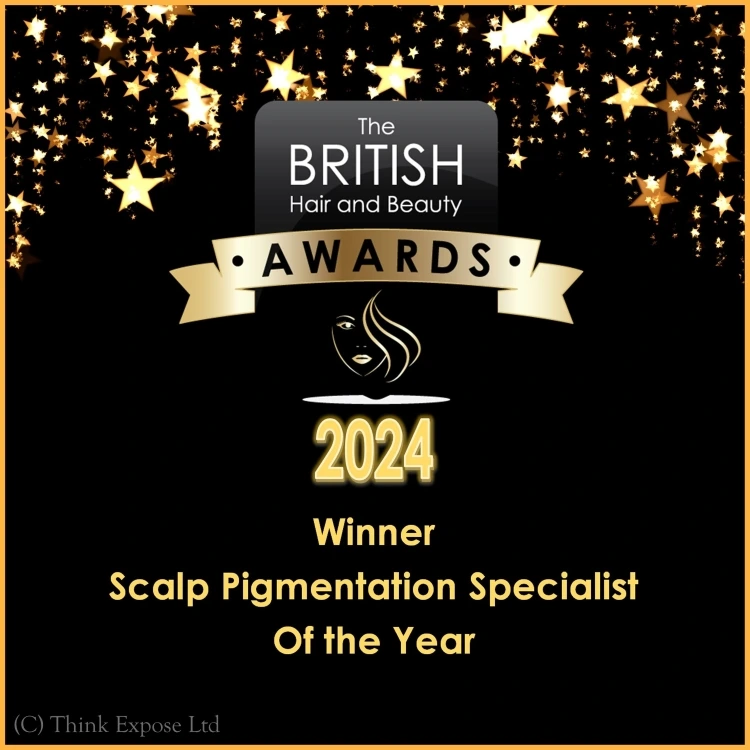
Rebecca was named BHBA SMP Specialist of the Year 2024 and has also been recognised by the UK Hair & Beauty Awards (Best for Brows 2023) and the BHBA SPMU Gold Award (2021). That level of independent recognition matters in scar work because the difference is in the detail: controlled placement, clean blending, and a finish that stays believable as it settles.
If you want a clean, confident look, the aim with SMP scar camouflage isn’t to “cover” the area heavily — it’s to reduce contrast with a realistic, soft blend that suits how you actually wear your hair.
One thing we do differently: scar camouflage is designed around your typical hair length and the finish you want, so it looks believable day to day — not just in a close-up.
For the full overview, see our SMP treatment overview.
Book a consultation and we’ll recommend the most natural approach for your style and goals.
Based in Mawdesley, Lancashire (near Ormskirk), welcoming clients travelling in from Chorley, Preston, Wigan and across the North West.
Helpful links: Scalp Micropigmentation (SMP) treatment page.
Scalp Micropigmentation Scars – Quick links
Use the quick links below to go straight to the FAQ that matters most to you.
SMP scars: How it works
SMP scar camouflage works by placing tiny, layered impressions of pigment to reduce the contrast between scar tissue and the surrounding scalp.
When the contrast drops, the scar stops “catching” the eye first — especially under overhead lighting.
The goal is simple: make the scar less noticeable in real life. That means we focus on tone matching to the surrounding scalp (not a random “one shade fits all”), soft layering so the blend stays natural, and consistency with the density style around it (shaved look vs softer density).
Scar types
Many clients come in asking if SMP will work on their scar — and the honest answer is that scar type, placement, and how you wear your hair all matter.
- SMP scars commonly camouflage well for:
- Hair transplant scars (including linear scars)
- Injury or surgery scars on the scalp
- Visible lines or gaps that show most when the hair is short
- Small patch scars that create a lighter “break” in the area
In consultation, we assess how the scar behaves in normal lighting and map out the most natural way to blend it into the surrounding scalp, so the result looks consistent and intentional rather than disguised.
Raised scars
Raised scars can still be improved with SMP, but the approach is usually more subtle. Raised tissue can catch light differently, so the win is often about reducing visibility, not trying to make the scar “disappear”.
- Where a raised scar is more reflective, we:
- soften the edge of the scar
- reduce the “light line” effect
- blend gradually into surrounding density
That’s why scar camouflage is planned like design work — not treated like a quick patch.
SMP scars: Texture & shine
Texture and shine are big reasons scars stand out. Even when colour looks similar, scar tissue can reflect light in a way that makes it more noticeable.
For SMP scars, we assess:
-
how the scar reflects light (especially overhead lighting)
-
whether the scar has uneven texture
-
where the natural hair direction changes around it
Then we design a blend that looks natural in normal life — the exact moment you want confidence: mirrors, daylight, and conversation distance.
Up close
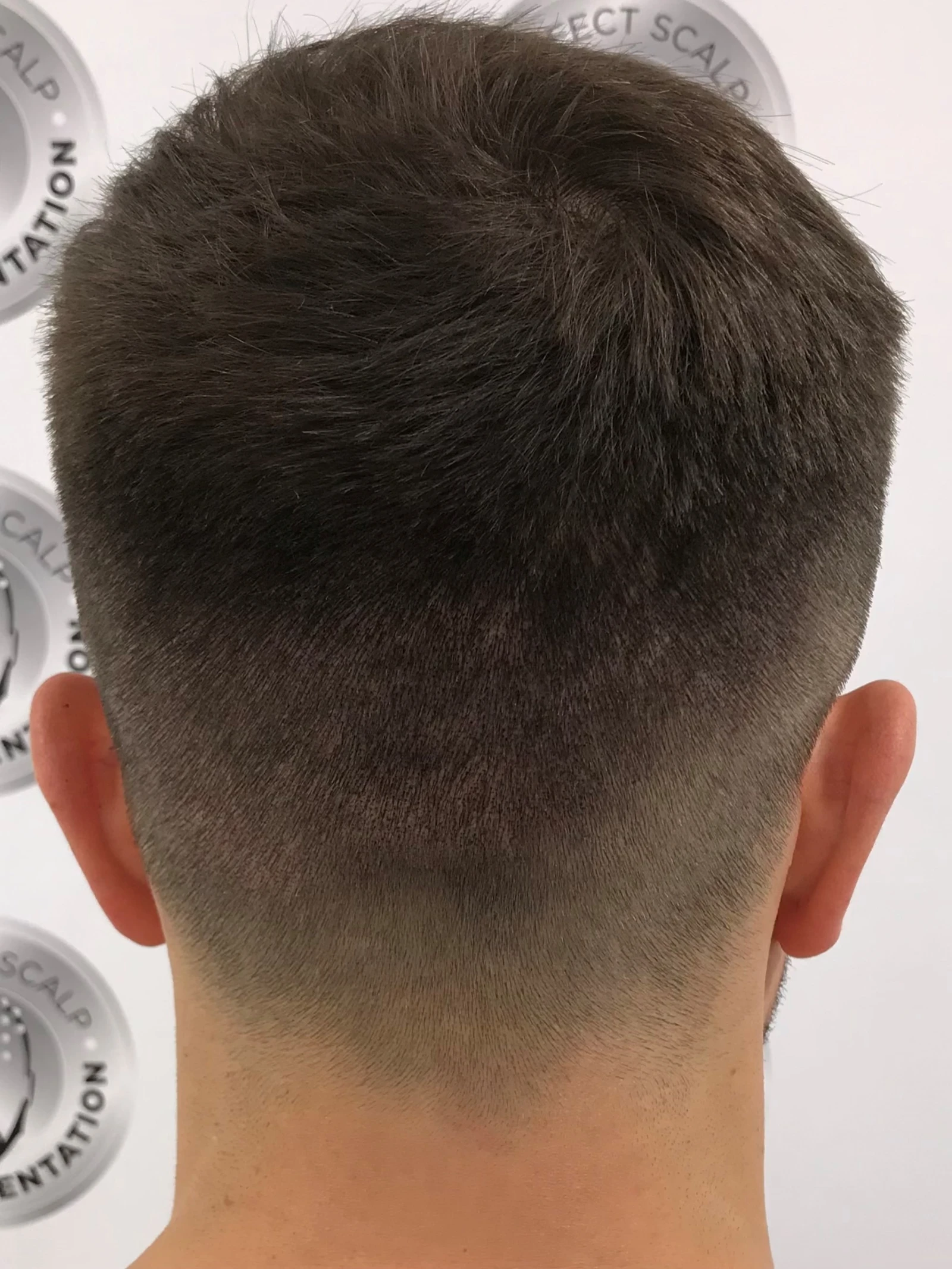
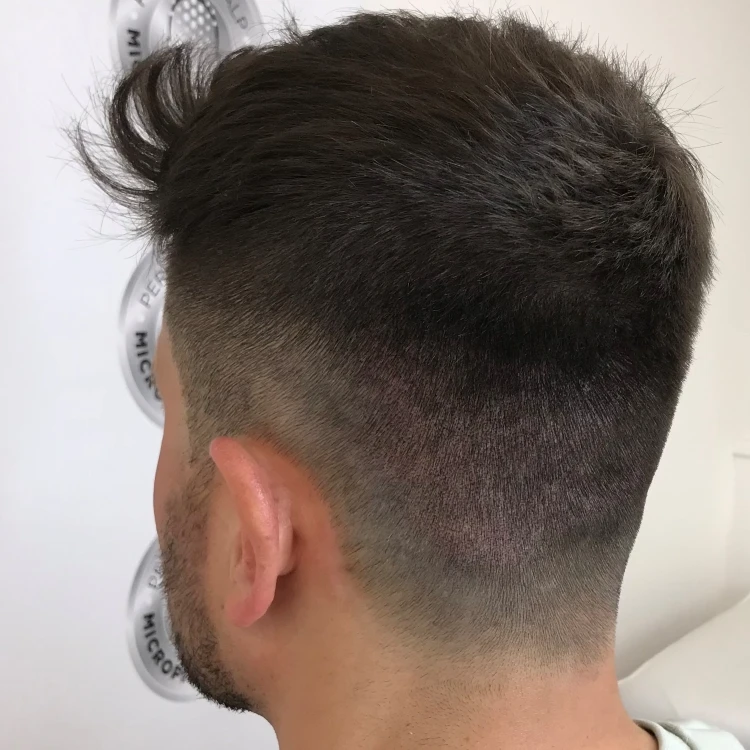
A natural result with SMP comes down to detail and restraint: dot size, spacing, colour choice, and gradual build.
Done properly, SMP should read as a softer, more even area — not a block of pigment. Most people won’t be inspecting your scalp from inches away, so we design for what matters most: real-world viewing distance and real-world lighting.
If you prefer a crisp, high-definition finish (especially with short hair), we’ll plan your SMP to match that style without looking overdone.
Hair length
Hair length affects what “natural” looks like. The best scar camouflage is always the one that suits how you actually wear your hair.
With SMP scars, we plan around:
-
your usual hair length
-
the area of the scar (sides, crown, hairline, back)
-
whether you prefer a sharper or softer finish
This is how we avoid the common mistake: a scar that looks okay in one lighting condition, but stands out in another.
Scalp Micropigmentation Scars: Shaved styles
If you wear your hair very short, SMP scars can be a strong option — especially for transplant scars or any scar that shows as a lighter line against a shaved look.
- In shaved styles, scar camouflage works best when:
- the pigment is built gradually
- the blend is matched precisely to surrounding stubble density
- the design follows the natural pattern and flow of the scalp
If your goal is to feel comfortable wearing your hair short again, Scalp Micropigmentation can be planned deliberately around that style, so the finish looks cohesive rather than “added in.”
SMP scars: Longer hair
If you wear your hair slightly longer, SMP scars can still help — particularly when the scar creates show-through in partings, direction changes, or thinner areas.
The key is a soft, believable blend that supports the hair you have. With longer styles, SMP scar work is often about reducing the “gap” effect so the area reads as more even when your hair shifts — in daylight, indoor lighting, and everyday movement.
Scalp Micropigmentation scars: Sessions
Most SMP scars camouflage is built in layers for the most natural result. Here’s the standard pathway:
- Session 1 — Initial appointment
- Session 2 — if needed, typically 7–14 days after session one
- Maintenance top-up typically 12–18 months
This spacing gives the pigment time to settle between sessions, so we can refine the blend and keep the results looking soft and realistic.
Scalp Micropigmentation Scars: Healing
Healing for SMP scar camouflage is usually straightforward. The area can look slightly stronger at first, then it typically softens as the skin settles.
What most clients notice is that scar camouflage looks more “natural” once it’s fully settled — which is exactly why we take a measured, layered approach.
- Aftercare for scar camouflage (simple overview):
- follow the tailored aftercare we provide
- avoid friction and heavy sweating while the area settles
- protect from strong sun exposure during healing
You’ll be guided clearly at each stage so you feel confident in how your scar camouflage result is developing.
Longevity
SMP scar results are long-lasting and gradually soften over time. Many clients choose a maintenance top-up typically 12–18 months to keep the blend looking fresh, especially if they prefer a crisp finish or wear their hair short.
- Longevity can be influenced by:
- skin type and lifestyle
- sun exposure
- how subtle vs defined you like the result
- how short you wear your hair
If you want your Scalp Micropigmentation to stay looking consistent year-round, we’ll talk through a simple maintenance plan in consultation, aligned with your style and how you wear your hair.
SMP scars: Consultation
A consultation is where we turn “Will SMP work for me?” into a clear plan. We assess tone, texture, placement, and how your hair is worn in real life — then recommend the most natural approach.
In your SMP scars consultation we’ll cover:
-
what style of blend will look most realistic for your hair length
-
how many sessions are likely using the pathway above
-
how we keep the result consistent over time
-
aftercare and what to expect as the pigment settles
Award recognition (and what it means for your result)
- BHBA SMP Specialist of the Year 2024
- UK Hair & Beauty Awards — Best for Brows 2023
- BHBA SPMU Gold Award 2021
What that means for your SMP scars outcome:
Better blending decisions: scar camouflage is won on realism and judgement — where to soften, where to refine, and how to keep it believable in everyday lighting.
More consistent results: a repeatable, detail-led process across sessions helps SMP scars settle evenly, so the blend stays natural over time.
Detail-led finishing: tone choice, spacing, and layering are the difference between “pigment on skin” and true, confidence-restoring camouflage.
If you want a natural, confidence-building solution for SMP scars, book a consultation and we’ll map the most suitable plan for your scar, your hair length, and the finish you want.
Years Of Micropigmentation Experience
Scalp Micropigmentation Scars – Related FAQs
If you’re looking at SMP scars, these pages usually help you understand overall finish, density choices, and ongoing maintenance — so you can make a confident booking decision.