Comprehensive Guide to Belly Fat Reduction
Belly Fat Reduction – This comprehensive guide details the importance of reducing belly fat by exploring what belly fat is, its common causes, and its impacts on health and well-being.
The guide evaluates both surgical and non-surgical methods for belly fat reduction, emphasizing the superior benefits and minimal risks associated with non-surgical treatments such as fat freezing, radio frequency, and ultrasonic cavitation.
Practical advice on integrating healthy eating and regular exercise into your lifestyle is also provided to enhance and sustain results.
A helpful FAQ section answers common questions, ensuring you understand and choose the best strategies for lasting belly fat reduction.
Why is Belly Fat Reduction Important to Many People?
Reducing belly fat significantly enhances your overall quality of life beyond simply improving your appearance. Excess abdominal fat often diminishes self-confidence, influencing how you see yourself and interact socially.
Constantly feeling self-conscious, uncomfortable in clothing, or hesitant to engage socially can negatively impact your emotional and psychological health.
A slimmer waistline offers a tremendous boost to your self-confidence, allowing you to feel comfortable and proud of your appearance.
Activities like shopping for new clothes, enjoying social gatherings, and participating in group activities become joyful and empowering experiences rather than stressful or embarrassing ones.
Special occasions like weddings, holidays, family gatherings, or professional events often serve as motivation for reducing belly fat. Feeling confident and looking your best in photographs or special attire enhances your enjoyment of these memorable occasions.
Picture yourself attending an event, wearing an outfit you’ve dreamed about, and feeling utterly confident and at ease.
For new mothers, losing belly fat gained during pregnancy can be particularly empowering. Post-pregnancy body changes can profoundly affect confidence, identity, and emotional well-being.
Successfully losing postpartum belly fat helps many women regain a sense of personal identity and improves overall physical and emotional health, boosting energy and optimism during an important transitional life stage.
Belly fat reduction significantly improves overall health, as visceral fat is closely linked to severe health issues like heart disease, diabetes, hypertension, and certain cancers.
Taking proactive steps to reduce belly fat means you’re actively improving your health and reducing long-term risks of serious medical conditions, ensuring a healthier and more vibrant future.
The journey toward reducing belly fat can also positively impact mental health by alleviating stress, anxiety, and symptoms of depression.
Regular exercise, healthier dietary habits, and visible results improve mood and provide a deep sense of accomplishment, encouraging a sustained positive cycle of improved health and happiness.
Understanding Belly Fat
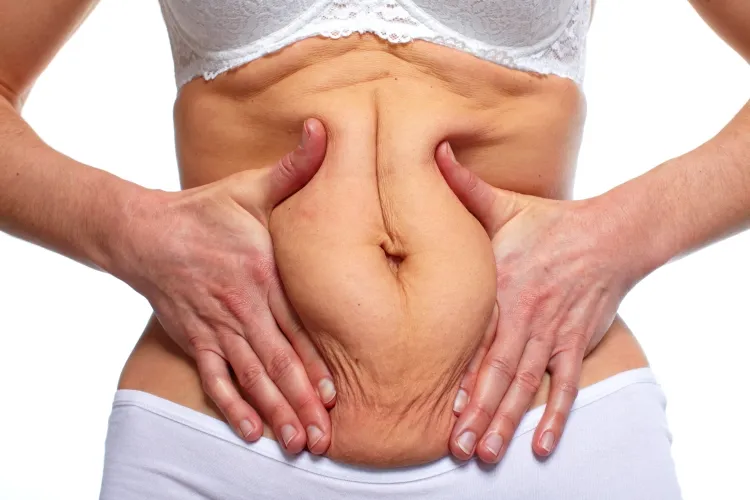
Belly fat, scientifically known as visceral fat, accumulates around the abdominal organs, unlike subcutaneous fat located directly beneath the skin.
Visceral fat significantly impacts overall health and is associated with increased risks of diabetes, cardiovascular disease, hypertension, and metabolic syndrome.
In addition to visceral and subcutaneous fat, the body also contains brown adipose tissue (BAT), or brown fat. This type of fat is metabolically active and helps burn calories by generating heat.
However, in some people, dense fat layers—sometimes mixed with brown fat—can be more resistant to traditional weight loss methods.
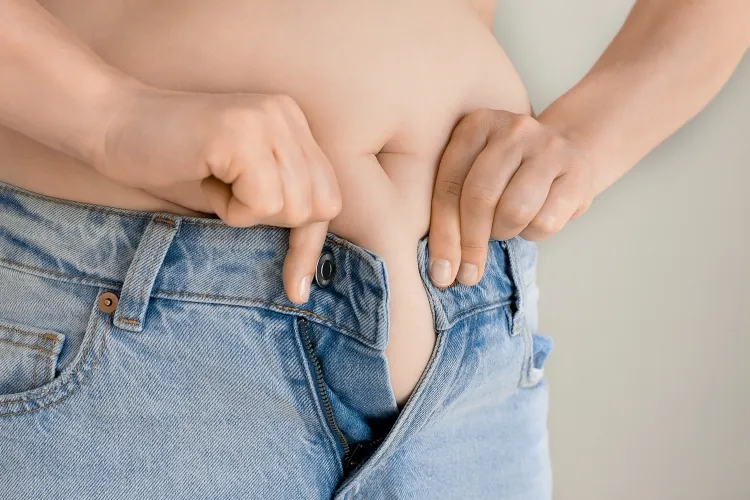
Many individuals struggle to lose belly fat despite maintaining a healthy diet and regular exercise routine. This resistance is often due to hormonal imbalances, genetic predisposition, and the body’s natural tendency to retain fat in the abdominal region.
For these reasons, non-surgical fat reduction treatments can offer the extra help needed to break down stubborn fat deposits and support long-term weight management goals.
Common causes include:
- Poor diet (high in sugars, unhealthy fats, refined carbs)
- Sedentary lifestyle
- Stress and elevated cortisol
- Lack of sleep
- Hormonal changes
- Genetics
Non-Surgical Treatments for Belly Fat Reduction
Fat Freezing (Cryolipolysis)
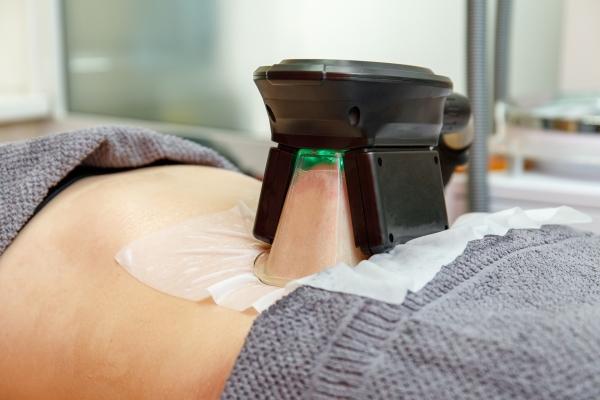
Cryolipolysis often referred to as FAT FREEZING is a non-invasive fat reduction procedure that permanently targets stubborn fat cells through precise, controlled cooling technology.
During treatment, a specialized device is placed on the targeted area, gently pulling the skin and fat between two cooling plates.
The cooling process crystallizes fat cells, causing them to die without affecting surrounding tissue. Over several weeks, these dead cells are naturally processed and eliminated by the body’s lymphatic system.
The procedure typically lasts between 30 to 60 minutes per session, and clients can relax comfortably during this time.
Results start becoming visible after just a few weeks, with optimal outcomes typically seen within two to three months.
Cryolipolysis is FDA-approved, highly safe, and requires no downtime, allowing clients to return immediately to their daily activities.
Benefits of Fat Freezing
- Safe and FDA-approved
- No downtime
- Permanent results
- Minimal discomfort
Radio Frequency Fat Melting
RADIO FREQUENCY FAT MELTING employs advanced radio frequency (RF) technology to effectively reduce fat cells while simultaneously tightening the skin.
During the treatment, an applicator emitting RF waves is applied to the skin, delivering controlled heat deep into the fat layers.
This targeted heating causes fat cells to break down and be naturally eliminated from the body, stimulating collagen and elastin production for improved skin elasticity and texture.
Each session typically lasts between 30 to 45 minutes, with clients experiencing a pleasant warming sensation. Immediate tightening effects are noticeable, with continued improvement observed after a series of sessions, usually spaced a week apart.
Radio frequency treatment is painless, safe, and involves no downtime, providing highly effective results for both fat reduction and skin tightening.
Benefits of Radio Frequency Fat Melting
- Comfortable and effective
- Immediate skin tightening
- Long-lasting results
- No recovery time

Ultrasonic Cavitation
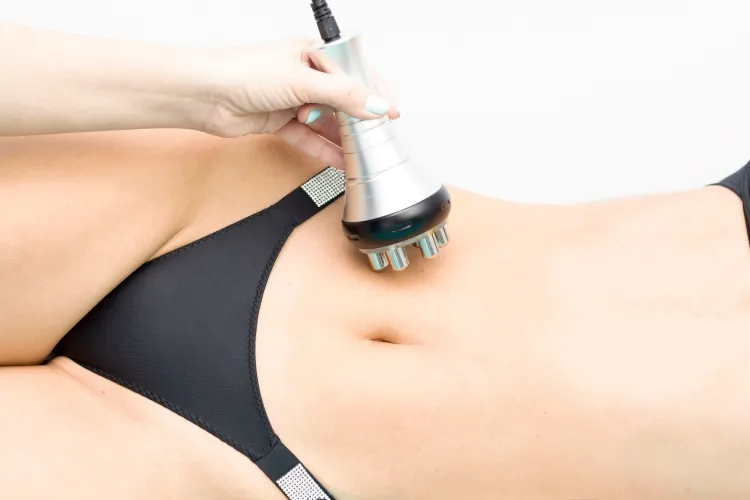
ULTRASONIC CAVITATION utilizes powerful ultrasound waves to non-invasively break down fat cells, transforming them into a liquid form that the body naturally flushes out via the lymphatic system.
During treatment, a specialized handheld device is applied directly to the skin, sending high-frequency ultrasonic waves deep into the fat layers.
These waves create microscopic bubbles that implode, effectively liquefying fat cells without harming surrounding tissue or nerves.
Sessions usually last between 20 to 60 minutes and are described by clients as relaxing and painless.
Ultrasonic cavitation is particularly beneficial for reducing moderate fat deposits and improving body contours.
Visible results can be noticed shortly after treatment, with continued improvements over multiple sessions, typically scheduled weekly.
Benefits of Ultrasonic Cavitation
- Painless and relaxing
- Rapid, visible noticeable outcomes
- Promotes lymphatic drainage and circulation
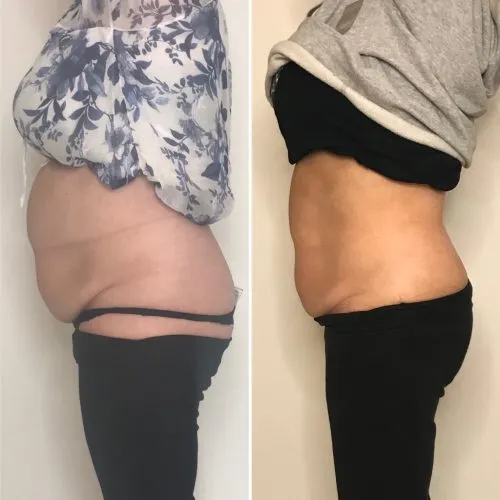
Belly Fat Reduction Surgical Options (Less Recommended)
Invasive procedures such as liposuction and abdominoplasty (tummy tuck) are sometimes chosen for rapid fat reduction, especially around the abdomen.
While they can deliver significant results, these surgeries come with considerable drawbacks and risks that make them less appealing than modern non-invasive options.
Liposuction
Liposuction surgically removes fat deposits via suction through a thin tube called a cannula. Small incisions are made to insert the cannula and break up fat cells for extraction.
Risks and Drawbacks:
-
Painful and requires anesthesia
-
Downtime of several days to weeks
-
Risks include bleeding, infection, contour irregularities, nerve damage, and fluid buildup
-
Expensive and not usually covered by insurance
-
Results can be uneven or asymmetrical
Tummy Tuck (Abdominoplasty)
This surgery removes excess skin and fat and tightens abdominal muscles, often after weight loss or pregnancy.
Risks and Drawbacks:
-
Major surgery requiring general anesthesia and a long incision
-
Recovery takes 6–8 weeks or longer
-
Leaves a permanent scar across the lower abdomen
-
Risk of complications such as infection, wound healing issues, or blood clots
-
Physically and emotionally taxing recovery process
Given the invasiveness and recovery time involved, many clients prefer non-surgical treatments like fat freezing and cavitation for a safer, gradual, and less disruptive path to belly fat reduction.
The Importance of Exercise for Belly Fat Reduction
Exercise is a critical component in any belly fat reduction strategy. While it’s impossible to “spot reduce” fat from specific areas, consistent exercise helps reduce overall body fat—including visceral fat around the abdomen—by increasing calorie burn, improving metabolic function, and boosting lean muscle mass.
How Exercise Burns Belly Fat
Physical activity elevates your heart rate and energy expenditure. Over time, this leads to a caloric deficit, which is essential for fat loss.
When combined with a healthy diet, regular exercise promotes the reduction of stored fat, including the stubborn fat in the abdominal area.
Exercise also improves insulin sensitivity, reduces cortisol (stress hormone) levels, and increases the release of endorphins, all of which contribute to more efficient fat metabolism.
Cardio vs. Strength Training
Cardiovascular Exercise: Cardio, or aerobic exercise, includes activities like running, brisk walking, cycling, swimming, or dancing.
These exercises are excellent for burning calories quickly and increasing cardiovascular health. Studies show that moderate-to-intense cardio can significantly reduce visceral fat when performed consistently.
Cardio workouts typically burn more calories per session, making them effective for those looking to lose weight and reduce fat rapidly.
Strength Training: Strength or resistance training involves lifting weights or using resistance bands to build muscle mass.
While it may not burn as many calories during the workout itself, strength training increases muscle mass, which boosts resting metabolic rate.
This means your body burns more calories even while at rest, supporting long-term fat loss.
Strength training also contributes to improved body composition, better posture, and a more toned appearance.
Why Both Are Important
Combining cardio and strength training yields the best results for belly fat reduction. Cardio helps to shed fat more quickly, while strength training ensures that you preserve and build muscle mass, preventing metabolic slowdown.
Together, they create a comprehensive fitness approach that targets fat loss, muscle definition, and overall health improvement.
For optimal results:
- Aim for at least 150 minutes of moderate-intensity or 75 minutes of high-intensity cardio per week.
- Incorporate strength training at least 2–3 times per week.
- Add flexibility and recovery workouts, like yoga or stretching, to maintain mobility and prevent injury.
- Whether you’re just starting or looking to enhance your current routine, a balanced approach to exercise will accelerate your belly fat reduction journey and support a healthier, more active lifestyle.
- Cardiovascular activities (running, cycling, swimming)
- Strength training and weight lifting
- High-intensity interval training (HIIT)
- Yoga and Pilates

Healthy Eating and Belly Fat Reduction
Healthy eating is one of the most effective tools in the battle against belly fat. While non-surgical treatments and exercise play important roles, your daily food choices directly affect your body’s ability to burn fat—especially the stubborn fat stored around the abdomen.
Why Diet Matters for Belly Fat
Abdominal fat, particularly visceral fat, is strongly linked to insulin resistance, inflammation, and hormonal imbalances.
Poor dietary choices—such as refined carbohydrates, sugary drinks, and processed foods—can spike insulin levels and promote fat storage around your midsection. A clean, balanced diet helps stabilize blood sugar, reduce inflammation, and create the calorie deficit needed for fat loss.
Key Principles for Eating to Reduce Belly Fat
-
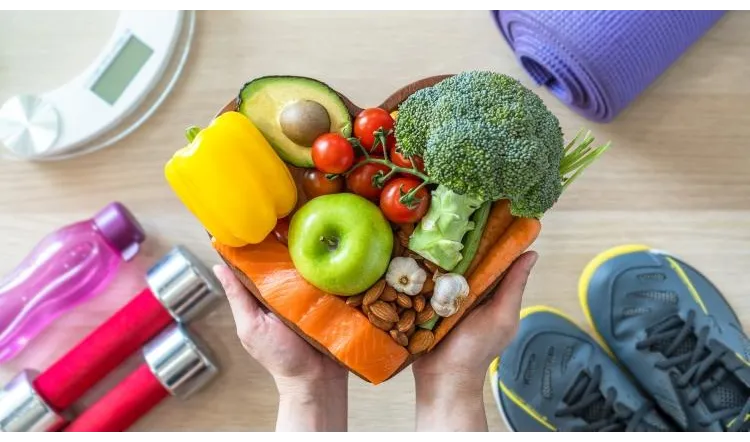
Focus on Whole Foods: Base your meals on nutrient-dense options like fresh vegetables, fruits, whole grains, legumes, and lean proteins such as chicken, fish, and eggs.
-
Incorporate Healthy Fats: Avocados, olive oil, nuts, and seeds provide essential fatty acids that support hormone balance and keep you full for longer.
-
Balance Macronutrients: Each meal should include a mix of protein, fiber-rich carbohydrates, and healthy fats to stabilize blood sugar and reduce cravings.
-
Stay Hydrated: Drinking water throughout the day supports digestion and reduces bloating, which helps your stomach appear flatter.
-
Avoid Fat Triggers: Cut back on added sugars, sugary drinks (like soda or sweetened coffee), alcohol, refined grains (white bread, pasta), and deep-fried foods—all of which contribute to belly fat storage.
Combining Non-Surgical Treatments with Diet and Exercise
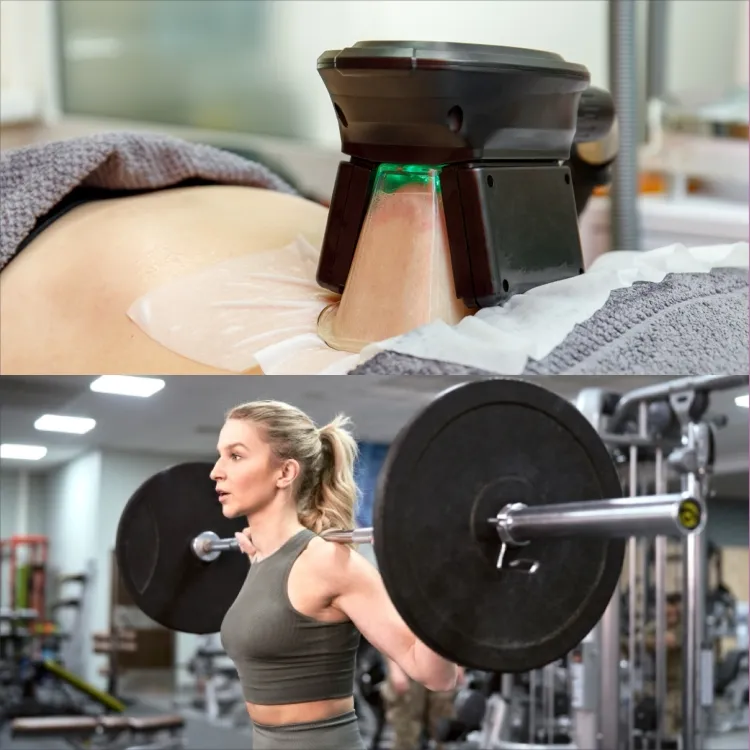
For optimal and long-lasting belly fat reduction, a multi-faceted approach is essential. While non-surgical aesthetic treatments effectively target and break down stubborn fat deposits, they yield the most impressive and sustainable results when combined with consistent exercise and a well-balanced diet.
-
Targeted Treatments: Non-surgical options like fat freezing, radio frequency melting, and ultrasonic cavitation directly address areas of fat that are resistant to exercise and diet alone. These treatments work by destroying fat cells, which are then naturally flushed from the body over time.
-
Exercise Synergy: Physical activity accelerates fat loss by increasing energy expenditure and building lean muscle mass. Cardiovascular exercise—such as running, cycling, or swimming—burns calories and helps reduce overall fat, including visceral fat. Strength training, on the other hand, helps develop muscle, which boosts your resting metabolism and enhances your body’s ability to burn fat around the clock. Combining both forms of exercise ensures that fat loss is continuous and long-term.
-
Nutritional Support: A diet rich in whole foods, lean protein, vegetables, healthy fats, and complex carbohydrates provides the fuel your body needs to operate efficiently and recover from treatments and workouts. Avoiding processed foods, sugary drinks, and excessive alcohol reduces inflammation and insulin resistance, key drivers of belly fat storage.
By integrating these three pillars—advanced treatments, regular physical activity, and a clean, supportive diet—you’ll not only amplify your fat loss but also maintain your slimmer figure for the long run.
At Permanent Perfection Aesthetics, we offer guidance and support beyond your treatments to help you build a sustainable, healthy lifestyle.
How to Choose the Right Non-Surgical Belly Fat Reduction Clinic
Choosing the right clinic for non-surgical belly fat reduction is essential for ensuring your safety, comfort, and satisfaction with the results. Here are key factors to consider when evaluating a clinic:
- Qualifications and Experience
- Ensure the clinic is staffed by licensed, certified, and experienced professionals.
- Ask about the qualifications of the practitioner performing your treatment.
- Look for clinics owned or overseen by medical professionals or aesthetics specialists.
- Technology and Equipment
- Reputable clinics use FDA-approved and clinically tested equipment.
- Ask about the brands and technologies used for fat freezing, radio frequency, and cavitation.
- Avoid clinics that use outdated or unverified machines.
- Results and Before/After Photos
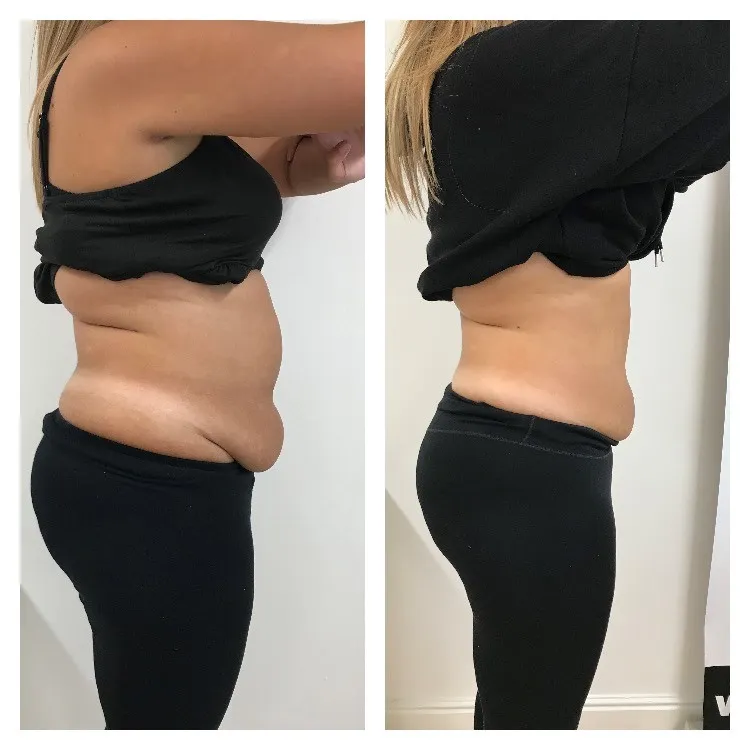
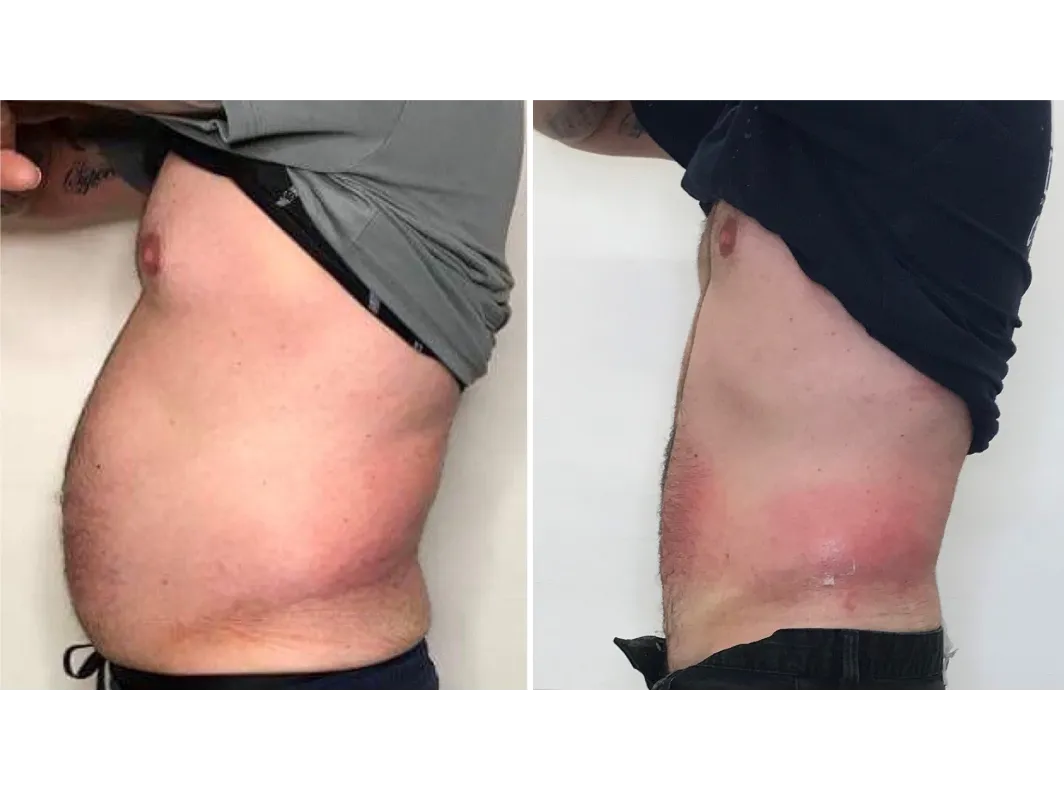
- Request to see before-and-after photos of actual clients.
- Look for consistent, natural-looking results.
- Read or watch client testimonials to learn about others’ experiences.
- Cleanliness and Professionalism
- Visit the clinic or take a virtual tour.
- Check that the environment is clean, professional, and welcoming.
- Observe how staff interact with clients and answer questions.
- Consultation and Personalization
- A trustworthy clinic will offer a thorough consultation to understand your needs and goals.
- Avoid one-size-fits-all treatment plans.
- Look for personalized recommendations based on your body type and expectations.
- Customer Service and Follow-Up
- Exceptional clinics offer ongoing support before, during, and after treatments.
- Ask about follow-up procedures, touch-ups, and post-treatment care.
- You should feel comfortable asking questions and expressing concerns.
By taking the time to research and ask the right questions, you can choose a reputable clinic that prioritizes your health, comfort, and results.
Permanent Perfection Aesthetics, for example, excels in all of the above areas, making it a top-tier choice for non-surgical body contouring treatments.
About Permanent Perfection Aesthetics
Permanent Perfection Aesthetics, led by renowned aesthetics expert Rebecca Brown, is a multi-award-winning clinic specializing in high-end, non-surgical treatments.
Offering state-of-the-art technologies like fat freezing, radio frequency, and ultrasonic cavitation, Permanent Perfection Aesthetics delivers outstanding results coupled with exceptional customer care.
Our clinic’s commitment to excellence ensures every client experiences personalized attention, resulting in transformative, long-lasting outcomes.
Belly Fat Reduction Conclusion
Choosing non-surgical belly fat reduction at Permanent Perfection Aesthetics is the optimal decision for those seeking safe, effective, and permanent results without invasive surgery.
Under expert guidance in a luxurious, supportive environment, you will achieve remarkable results, improved health, and boosted self-confidence.
Contact Permanent Perfection Aesthetics today and embark on a transformative journey to reclaim your body and enhance your life.
Recent Comments